The Arica Schneider and Samuel Holley Double Murder
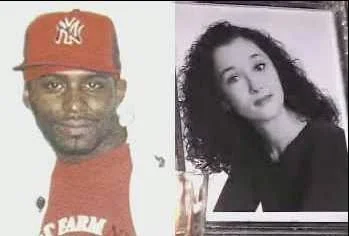
Arica Schneider and Samuel Holley
Murder Through the Grapevine | True Crime in Troy, New York
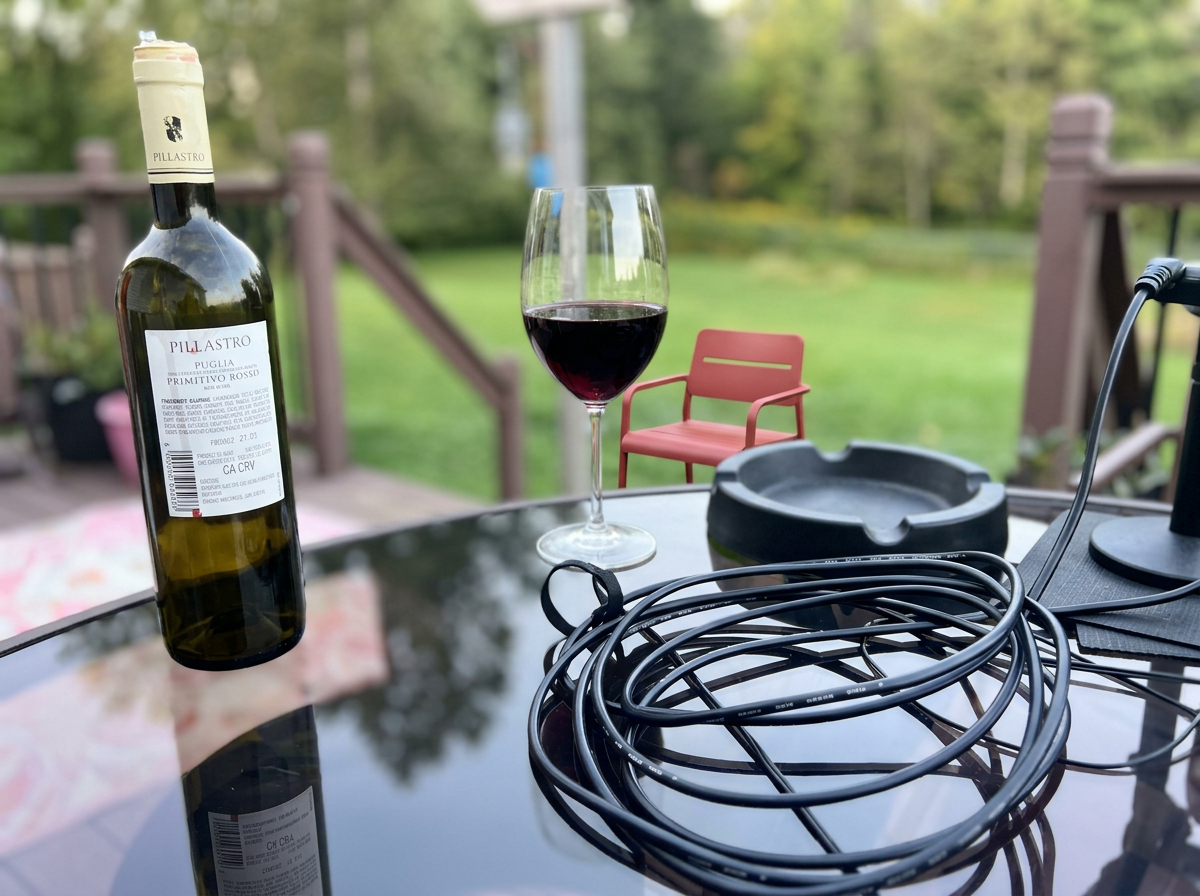
Pillastro Primitivo Puglia
The Wine
Pillastro Primitivo Puglia is a full-bodied red wine produced by the cooperative Cantine Due Palme in the Puglia region of southern Italy.
A Double Murder That Haunted Troy
On January 26, 2002, two people were discovered brutally murdered inside an apartment on Brunswick Road in Troy, New York. The victims were Arica Lynn Schneider, an 18-year-old Troy native, and her boyfriend, Samuel “Frost” Holley, 27.
Their deaths launched an investigation that would span years, implicate two men who were ultimately cleared, and expose the extraordinary importance of forensic DNA evidence.
For years, investigators pursued a theory that the killings were connected to a robbery targeting a drug dealer. But a DNA match eventually pointed them in another direction, changing the course of the case and leading to the conviction of Michael Mosley.
This is a story about two lives lost, an investigation that went badly off course, and the evidence that ultimately brought a killer to justice.
Troy, New York: The Collar City
Before examining the crime, it helps to understand the city where it happened.
Troy, located along the Hudson River in New York’s Capital Region, is known as the Collar City because of its prominent role in the 19th-century manufacturing industry. The city became nationally known for producing detachable shirt collars and other textile products.
Troy is also closely associated with Samuel Wilson, the meatpacker whose supplies marked “U.S.” helped inspire the American symbol Uncle Sam. Wilson is buried in Troy’s historic Oakwood Cemetery.
Today, Troy is known for its preserved Victorian architecture, historic brownstones, and downtown streets that have served as a backdrop for period productions, including HBO’s The Gilded Age. The city is also home to Rensselaer Polytechnic Institute and Russell Sage College.
Behind that historic setting, however, Troy has its own difficult history of violent crime. The murders of Arica Schneider and Samuel Holley would become one of the Capital Region’s most disturbing criminal cases.
Who Were Arica Schneider and Samuel Holley?
Arica Lynn Schneider
Arica Schneider was a lifelong resident of Troy and a 2000 graduate of Troy High School. Her family described her as a beautiful, amazing young woman who was deeply loved by her parents, siblings, and extended family.
She was only 18 years old when she was killed.
Arica deserves to be remembered as more than a name in a criminal investigation. She was a daughter, sister, cousin, and young woman whose life was cut short in a devastating act of violence.
According to accounts presented during the investigation and trial, Arica was not involved in Holley’s drug operation. Evidence also indicated that she had been in the process of ending their relationship.
Her presence in the apartment placed her in the path of an attack investigators believed was primarily directed at Holley.
Samuel “Frost” Holley
Samuel “Frost” Holley was 27 years old and originally from East Harlem. He lived in Troy with Arica and was described in reporting about the case as a known Bloods street gang member and crack cocaine dealer.
Investigators believed Holley’s criminal connections were central to understanding the motive behind the murders.
The couple lived at 29 Brunswick Road, near Rensselaer Polytechnic Institute and Troy’s schools. Inside that apartment, their lives came to a violent end.
The Crime: A Brutal Attack
Investigators determined that the attack occurred around January 25, 2002. The couple’s bodies were discovered the following day.
The injuries were extensive. Both victims had suffered severe blunt-force trauma and numerous stab wounds.
During Michael Mosley’s 2011 trial, Rensselaer County Chief Medical Examiner Dr. Michael Sikirica testified about the extraordinary violence inflicted on the couple. Arica had been stabbed 19 times in the neck alone. Holley suffered dozens of stab wounds, including injuries to his head and neck.
The medical examiner’s testimony helped establish the brutality of the attack and became a central part of the prosecution’s case.
For more details from the courtroom, read the Times Union report, “Medical examiner tells jury of torture”.
The Investigation Takes a Wrong Turn
In the early stages of the investigation, authorities focused on Terrence Battiste and Bryan Berry. Both men were associated with a crew suspected of robbing drug dealers, and investigators believed Holley’s criminal activities could explain the attack.
The theory was that the murders occurred during a robbery or a related confrontation.
But a theory is not proof.
The prosecution’s case against Battiste and Berry relied heavily on statements attributed to jailhouse informants, who claimed the men had discussed or confessed to the killings while incarcerated on unrelated matters.
Battiste and Berry were arrested in 2007 and faced federal conspiracy charges connected to the murders. Those charges were dropped in 2008. State murder charges followed in 2009, and the two men were scheduled to stand trial in 2010.
Then, just weeks before the state trial was expected to begin, the investigation took a decisive turn.
The DNA Match That Changed Everything
A DNA comparison produced a match between a bloodstain on the victims’ bedsheets and Michael Mosley, whose DNA profile had entered the state database following an unrelated arrest.
Mosley had not been the focus of the original prosecution. Yet the physical evidence placed his blood at the crime scene.
Once investigators identified the match, the murder charges against Battiste and Berry were dropped in 2010.
The case against them had collapsed, and attention shifted to Mosley.
The discovery illustrates both the power and the importance of forensic evidence. Witness statements and investigative theories can point authorities in a particular direction, but physical evidence can challenge assumptions that might otherwise go unquestioned.
What Is New York’s DNA Databank?
The database that helped identify Mosley is part of New York State’s DNA Databank, which operates within the broader framework of the national Combined DNA Index System, commonly known as CODIS.
New York expanded its DNA collection requirements in 2012 to include people convicted of any felony or Penal Law misdemeanor, subject to statutory exceptions. Mosley’s DNA profile was available earlier under the law applicable at the time of his unrelated arrest.
The system allows qualifying DNA profiles collected from individuals to be compared with DNA evidence recovered from crime scenes. A match can provide investigators with a lead that might otherwise remain undiscovered.
The database is not open to the public. Its use is governed by laws and procedures intended to regulate the collection, storage, and comparison of DNA profiles.
Learn more through the New York State Division of Criminal Justice Services’ DNA Databank information and the New York State Courts’ explanation of the DNA Databank.
In this case, DNA evidence helped redirect an investigation that had already placed two other men under serious suspicion.
The Trial of Michael Mosley
Mosley’s trial began in May 2011. He was represented by Albany-area defense attorneys Terence L. Kindlon and Glen Hammond.
The prosecution presented forensic evidence that connected Mosley to the scene, including his blood on a bedsheet and a palm print on a living-room wall.
Mosley maintained that he had not killed the couple. He testified that he went to the apartment after the murders, intending to see Holley about their drug business. According to his account, he discovered the bodies, panicked, and inadvertently left traces of blood and a print behind.
He also offered an explanation for the blood on the bedsheet: he claimed that he had cut his little finger days earlier while adjusting a snowboard binding for his son, and that the injury reopened while he was in the apartment.
The prosecution challenged that explanation with forensic testimony.
One of the most important points involved the bloodstain on the bedsheet. The prosecution presented evidence that Mosley’s blood and Arica’s blood had mixed while both were still wet, undermining his claim that he had arrived hours after the killings.
The prosecution argued that Mosley’s injuries were consistent with his involvement in the violent attack. The jury was left to weigh his account against the physical evidence and the testimony presented at trial.
For additional courtroom reporting, read the Times Union article “Mosley: ‘I just saw dead people’ there”.
The Verdict and Sentence
On June 2, 2011, a jury found Michael Mosley guilty of the murders of Arica Schneider and Samuel Holley, along with other charges.
The verdict came after years of uncertainty for the victims’ families. Mosley was sentenced to life in prison without the possibility of parole.
The conviction brought a legal resolution to the murders, but it could not restore the lives lost or erase the years during which the investigation focused on other men.
For Arica’s family, particularly her father, Paul Schneider, the case had been a long struggle for answers and accountability.
The Times Union reported on the sentence in “To a prison cell forever”.
The Conviction Was Challenged
Mosley continued to challenge his conviction, arguing that his trial attorneys had provided an ineffective defense.
In 2015 and 2016, the courts examined his claims. An appellate ruling led to further review of the work performed by Kindlon and Hammond, and Rensselaer County Judge Andrew Ceresia ultimately rejected Mosley’s bid for a new trial.
Mosley remained convicted and continued serving his life sentence without parole.
Read more in the Times Union report “Judge blasts killer Mosley’s lawyer after courtroom outburst in Troy” and the New Haven Register article “Judge rejects killer Michael Mosley’s bid for new trial”.
What Happened to the Men Originally Accused?
The case did not end with Mosley’s conviction. There was another consequence: Battiste and Berry had spent years facing allegations that they were responsible for the murders.
After the charges against them were dropped, both pursued civil litigation concerning their prosecution and the investigation.
In 2021, Troy agreed to pay Terrence Battiste a $1 million settlement in connection with his civil rights lawsuit.
Bryan Berry also pursued legal action to clear his name. A key issue was whether the dismissal of the charges would permanently prevent the state from prosecuting him again. His legal efforts ultimately resulted in a dismissal with prejudice, which bars the same charges from being brought against him again.
Their cases raise difficult questions about the costs of an investigation that focuses on the wrong people. Even after charges are dismissed, the personal, financial, and reputational consequences can last for years.
The Troy Record covered the family’s response to the original allegations in “Murder suspects’ family defends him”.
Final Thoughts: Evidence, Accountability, and the People Left Behind
The murders of Arica Schneider and Samuel “Frost” Holley were horrific, but the story is about more than the violence that took place inside a Troy apartment in January 2002.
It is also about the consequences of getting an investigation wrong.
For years, Battiste and Berry faced accusations that could have permanently defined their lives. The eventual DNA match changed the direction of the case and helped identify the man who was later convicted of the murders.
DNA evidence is powerful, but it does not replace careful investigation, reliable witness testimony, or the responsibility to follow the evidence wherever it leads. The justice system must pursue accountability for victims while protecting the rights of those accused.
Most importantly, Arica Schneider and Samuel Holley were real people whose lives ended far too soon. Arica was a young woman with a family who loved her and a future that was taken away. Her story should not be reduced to the brutality of her death or the courtroom drama that followed.
The case serves as a reminder that justice depends not only on finding the right person, but also on ensuring that the search for answers does not unfairly destroy the lives of others.
Join us on Murder Through the Grapevine as we explore the cases, the evidence, the people behind the headlines, and the questions that remain long after a verdict is delivered.